
Run edge functions closer to your users
Deploy lightweight serverless logic at the network edge for ultra-fast responses, lower latency, and scalable event-driven execution.

Execute code in milliseconds worldwide
Serverless compute engineered for sub-millisecond execution and global web scale
Zero Cold Starts
Lightweight V8 isolates wake up in under 5ms worldwide without container boot overhead.

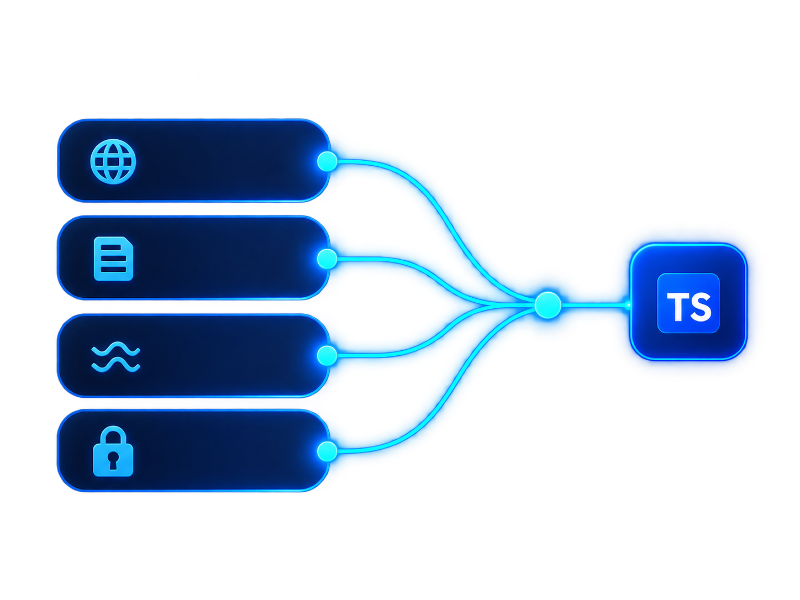
Standard Web APIs
Built natively on standard Fetch, Request, Streams, and WebCrypto APIs with TypeScript support.
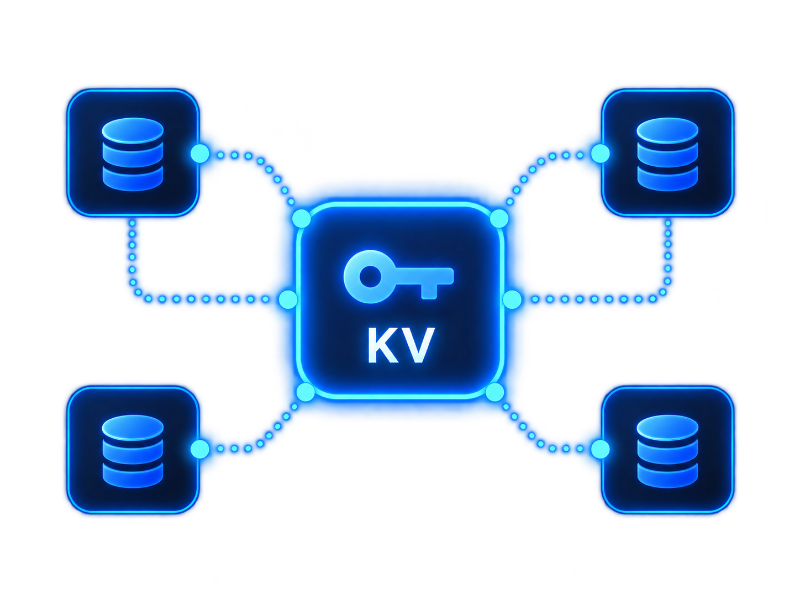
Edge KV Storage
Ultra-low latency global key-value store directly accessible within your function execution context.
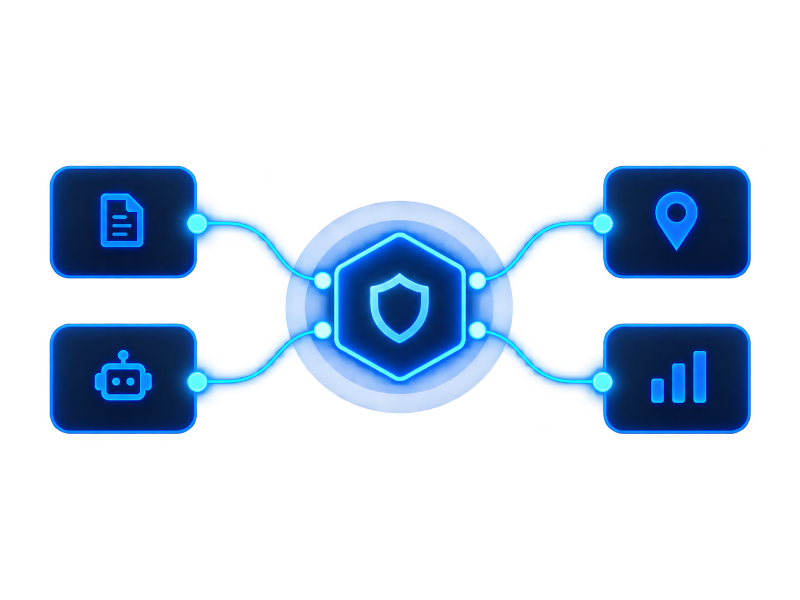
Smart Middleware
JWT validation, geolocation routing, bot challenges, and dynamic A/B test experiments.
318 Edge Locations
Deploy your code worldwide in under 300ms across 150+ global regions simultaneously.

Superno is
edge serverless logic
reimagined
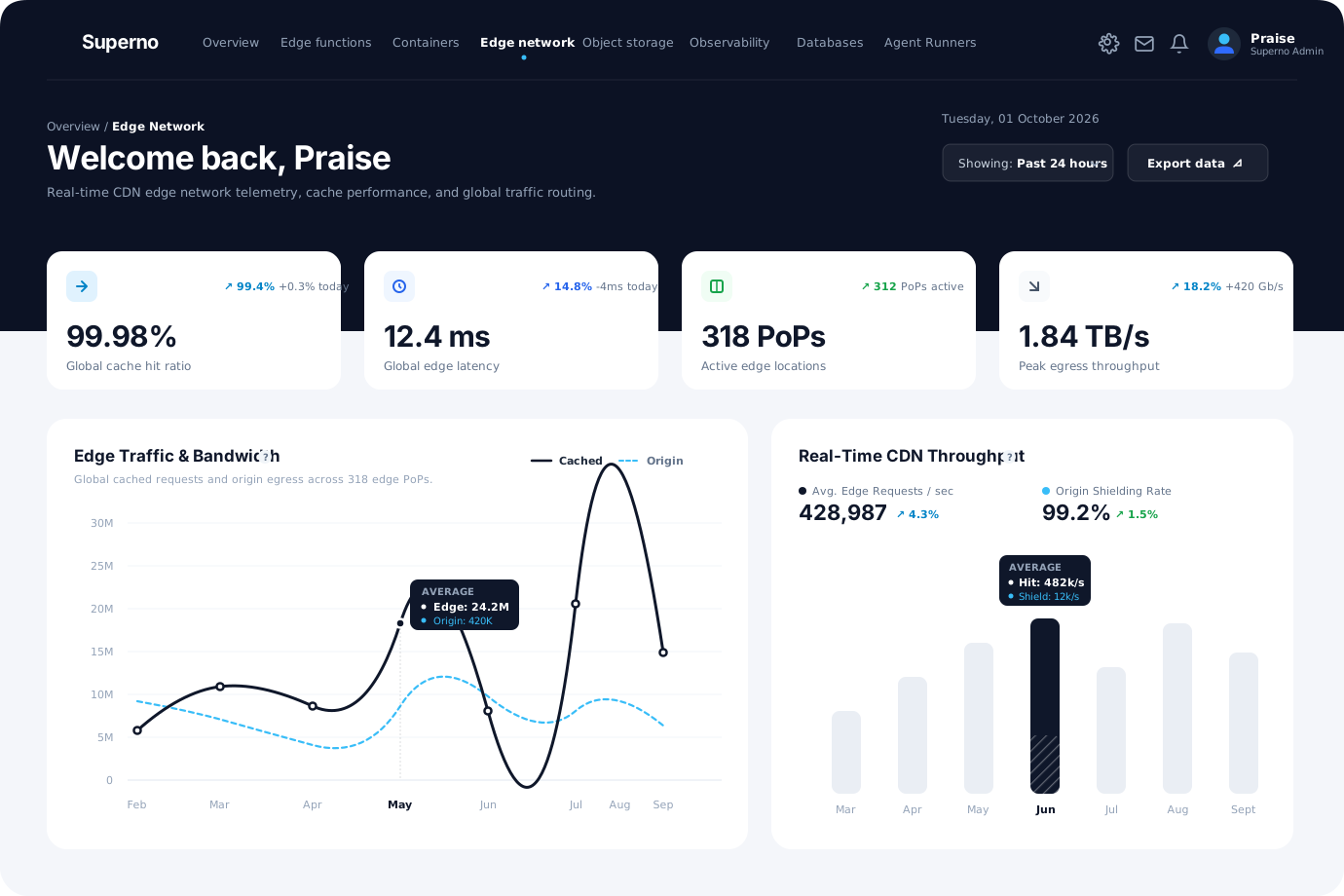
Live telemetry across every Point of Presence
Superno provides instant observability into function executions. Track invocation counts, P99 execution time, error rates, CPU wall-clock consumption, and tail latencies from a unified console.
Instant sub-second global rollouts with atomic traffic shifting
Direct integration with Object Storage, Edge KV & Edge Network CDN
Pay strictly for invocations. Zero idle minimums.
Never pay for idle servers or waiting containers. Invocations are billed strictly per call and per millisecond of compute with generous recurring free tier allowances.
Edge Invocations
Event-driven function calls routed automatically to the closest Anycast edge location worldwide.
Compute Duration
Most PopularMetered to the exact millisecond of actual CPU execution time. Never pay for network wait periods.
Edge KV Storage
High-speed key-value cache replicated worldwide for session tokens, configuration, and rate limits.
Estimate your monthly Edge Function costs
Free tier (10M invocations + 100k GB-sec) automatically deducted every billing cycle.
Frequently Asked Questions
Superno Edge Functions run on ultra-lightweight V8 isolates using standard Web APIs (Fetch, Request, Response, URL, Streams, and WebCrypto). You can write functions in TypeScript, JavaScript, or compile to WebAssembly using Rust, Go, or C++.